
Transmontanus caviar

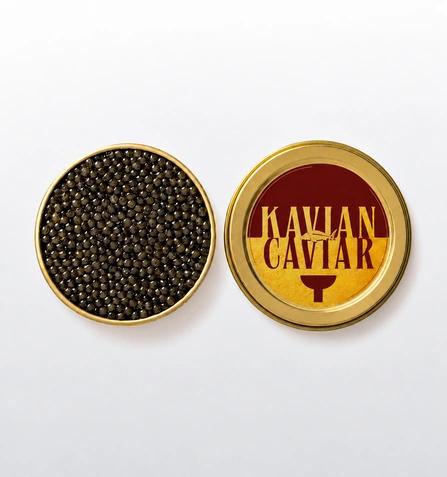
Transmontanus Caviar: Characteristics, Taste, and Key Features
Transmontanus Caviar is a well-known premium caviar produced from the White Sturgeon, scientifically known as Acipenser transmontanus. Native to North America, This sturgeon species is also raised in specialized aquaculture farms for caviar production.
Transmontanus Caviar is appreciated for its attractive pearls, pleasant texture, and balanced flavor profile. At Kavian Caviar, when selecting and supplying caviar, we consider not only the sturgeon species but also the origin, pearl quality, flavor, texture, processing methods, and storage conditions.
What is Transmontanus Caviar ?
Transmontanus Caviar comes from the White Sturgeon, scientifically known as Acipenser transmontanus. It is one of the largest sturgeon species native to North America.
The natural habitat of White Sturgeon includes river systems and coastal waters connected to the Pacific Ocean in North America. Today, the species is also raised in specialized aquaculture facilities for caviar production.
Controlled farming allows producers to manage important aspects of the sturgeon's development and produce caviar with consistent and desirable characteristics.
Characteristics of Transmontanus Caviar
The name of the sturgeon species alone does not determine the quality of caviar. Pearl size, color, texture, flavor, and aroma are among the most important characteristics considered when evaluating and buying caviar.
Transmontanus Caviar is generally known for its distinct pearls, grey coloration, and balanced flavor. However, its exact characteristics can vary depending on the individual fish, farming conditions, origin, processing, and grading.
Pearl Size of Transmontanus Caviar
Transmontanus Caviar typically features medium to relatively large pearls. Their size contributes to the attractive appearance of this caviar when presented and served.
However, not every batch of Transmontanus Caviar will have identical pearl sizes. The age and maturity of the sturgeon, farming conditions, and the producer's grading system can all influence the final size of the pearls.
Color of Transmontanus Caviar
The pearls of Transmontanus Caviar generally range from ight grey to dark grey and charcoal tones.
Natural variations in color can occur between different batches. These differences do not necessarily indicate lower quality, as the individual fish, age, farming conditions, maturity, and harvesting period can influence the appearance of the caviar.
In professional caviar selection and sales, color should therefore be considered alongside other characteristics such as pearl size, texture, flavor, and overall quality.
Texture of Transmontanus Caviar
Texture is an important part of the caviar experience. High-quality Transmontanus Caviar generally has well-defined pearls that combine a pleasant firmness with a delicate interior.
The pearls gently release their flavor in the mouth, creating an enjoyable contrast between their outer structure and soft interior.
Pearls that are excessively soft, damaged, or crushed can provide a very different experience from properly handled and graded caviar.
What Does Transmontanus Caviar Taste Like?
One of the defining qualities of Transmontanus Caviar is its balanced flavor profile. It is generally described as having a clean, mild, and marine character, often accompanied by buttery and occasionally nutty notes.
Its flavor is typically not excessively intense, making Transmontanus an interesting choice both for experienced caviar enthusiasts and for customers who are discovering premium caviar for the first time.
However, not every Transmontanus Caviar tastes exactly the same. Farming location, diet, maturity of the fish, harvesting period, salt level, and processing methods can all influence the final flavor profile.
What Is the Difference Between Transmontanus and White Sturgeon?
Transmontanus and White Sturgeon do not refer to two different types of sturgeon.
White Sturgeon is the common name of the species, while Acipenser transmontanus is its scientific name. Caviar produced from this species may therefore be marketed as either Transmontanus Caviar or White Sturgeon Caviar.
Understanding the scientific species name can be useful when buying caviar, especially because commercial names may vary between producers and international markets.
Transmontanus Caviar vs. Ossetra Caviar
Transmontanus and Ossetra are produced from different sturgeon species.
Transmontanus Caviar comes from Acipenser transmontanus, while classic Ossetra Caviar is commonly associated with Acipenser gueldenstaedtii.
Although the two are different, Transmontanus is sometimes compared with Ossetra because of certain similarities in flavor and presentation.
Difference in Flavor
Transmontanus typically offers a balanced and relatively mild marine flavor, with possible buttery and nutty notes.
Ossetra is particularly well known for its complex flavor profile and characteristic nutty qualities. However, the exact flavor of both types can vary considerably depending on origin, farming conditions, maturity, processing, and grading.
Difference in Pearls
Pearl size, color, and firmness can vary in both Transmontanus and Ossetra Caviar.
For this reason, it is better to evaluate the specifications and grading of the individual product rather than assuming that every caviar carrying the same species name will have identical characteristics.
How to Serve Transmontanus Caviar
Transmontanus Caviar should be served cold to preserve its texture and flavor. A traditional method is to place the caviar tin or serving dish over a bed of ice to maintain an appropriate temperature throughout service.
It can be enjoyed on its own, allowing the natural flavor of the pearls to remain at the center of the experience. It can also be paired with mild accompaniments that do not overpower the delicate character of the caviar.
Choosing the Right Caviar Spoon
A mother-of-pearl spoon is traditionally used when serving premium caviar. The serving utensil should be selected to avoid negatively affecting the flavor experience.
For restaurants, hotels, and professional hospitality environments, presentation is also important. Proper temperature, careful handling, and the visual quality of the pearls all contribute to the overall caviar experience.
How to Store Transmontanus Caviar
Caviar is highly temperature-sensitive and requires proper cold-chain management. Incorrect transportation or storage can negatively affect even high-quality caviar.
The exact storage temperature should always follow the producer's instructions and the information provided on the product packaging.
Storage After Opening
Once a caviar tin has been opened, the product is exposed to more air and its quality will gradually change.
Opened caviar should therefore remain properly refrigerated and be consumed within the period recommended by the producer.
When buying caviar, transportation conditions are also important. Maintaining an appropriate cold chain from the supplier to the customer is an essential part of professional caviar distribution.
What Should You Consider When Buying Transmontanus Caviar?
Buying Transmontanus Caviar involves more than simply choosing the species name. Two products sold as Transmontanus Caviar may differ significantly in pearl size, color, texture, flavor, origin, and grading.
Origin of the Caviar
Knowing where the sturgeon was raised and where the caviar was produced can provide valuable information about the product.
Farming conditions, production standards, and processing methods can all influence the quality and characteristics of the finished caviar.
Pearl Quality and Grading
Pearl size, color, firmness, uniformity, and overall appearance are important considerations when grading caviar.
Different grades can provide different experiences and may also influence the price of Transmontanus Caviar.
Packaging and Cold-Chain Transportation
Proper packaging and cold-chain transportation are essential for preserving caviar quality.
The product should remain under appropriate temperature-controlled conditions during transportation and should be stored according to the recommended instructions after delivery.
For this reason, choosing a reliable caviar supplier is an important part of buying premium caviar.
What Determines the Price of Transmontanus Caviar?
The price of Transmontanus Caviar can vary considerably and is not determined by the sturgeon species alone.
Origin, producer, pearl size, color, texture, grading, processing methods, packaging size, availability, and market conditions can all influence the final caviar price.
When comparing Transmontanus Caviar prices, it is therefore important to compare the specifications and quality of the products rather than looking at price alone.
Transmontanus Caviar Sales at Kavian Caviar
At Kavian Caviar, our focus is on sourcing and supplying caviar from selected species and producers. Transmontanus Caviar is valued for its attractive pearls, pleasant texture, and balanced flavor profile.
When selecting Transmontanus Caviar, we look beyond the species name. Origin, producer, pearl quality, grading, flavor profile, processing, and storage conditions are all important considerations in our selection process.
Our approach at Kavian Caviar is to provide customers with clear information about the caviar they are buying, helping them understand the differences between species, grades, and individual products before making a purchase.
Wholesale Transmontanus Caviar
Transmontanus Caviar can be an attractive option for restaurants, hotels, specialty food retailers, hospitality businesses, caviar distributors, and other wholesale buyers looking for a premium caviar with a balanced flavor profile and appealing presentation.
Consistency is particularly important when buying wholesale caviar. Pearl size and appearance, flavor, grading, packaging format, transportation, and storage requirements should all be considered according to the buyer's specific needs.
At Kavian Caviar, our approach to wholesale caviar is focused on matching products with the requirements of professional buyers. Transmontanus Caviar can be selected according to the desired characteristics, grade, presentation, and intended market or application.